
Child Health and Survival: A Core Commitment
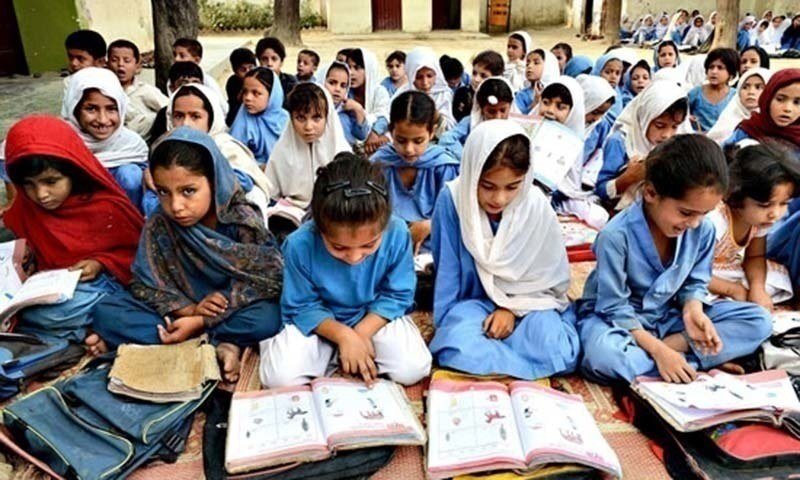
As a signatory to the United Nations Convention on the Rights of the Child (UNCRC), Pakistan holds the obligation to protect, nurture, and promote every child’s right to health, development, and survival.
The right to health is rooted in the universal principle that every individual, regardless of age, gender, or background, is entitled to the highest achievable standard of physical and mental well-being. For children—who are among the most vulnerable in society—this right is especially vital, as their survival and future potential depend heavily on the care and protection they receive early in life.
With one of the youngest populations globally, children make up a large portion of Pakistan’s demographic. Yet their health and survival face persistent challenges—ranging from widespread malnutrition and limited healthcare access to high rates of infant and child mortality. Ensuring a child’s right to health is not just a legal or ethical responsibility, but a key pathway to long-term national development.
Access to Healthcare: A Basic Yet Elusive Need
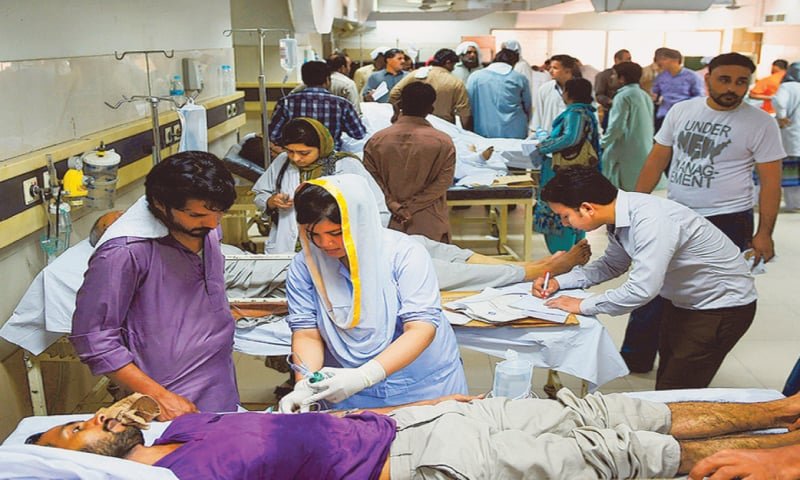
Children’s access to healthcare must go beyond emergency care. It includes routine immunizations, regular health screenings, nutrition programs, and timely treatment for common illnesses. Equally important are services targeting maternal and neonatal health to prevent complications during pregnancy and birth. Unfortunately, for many families—particularly in remote or rural areas—healthcare is either too far, too expensive, or simply unavailable.
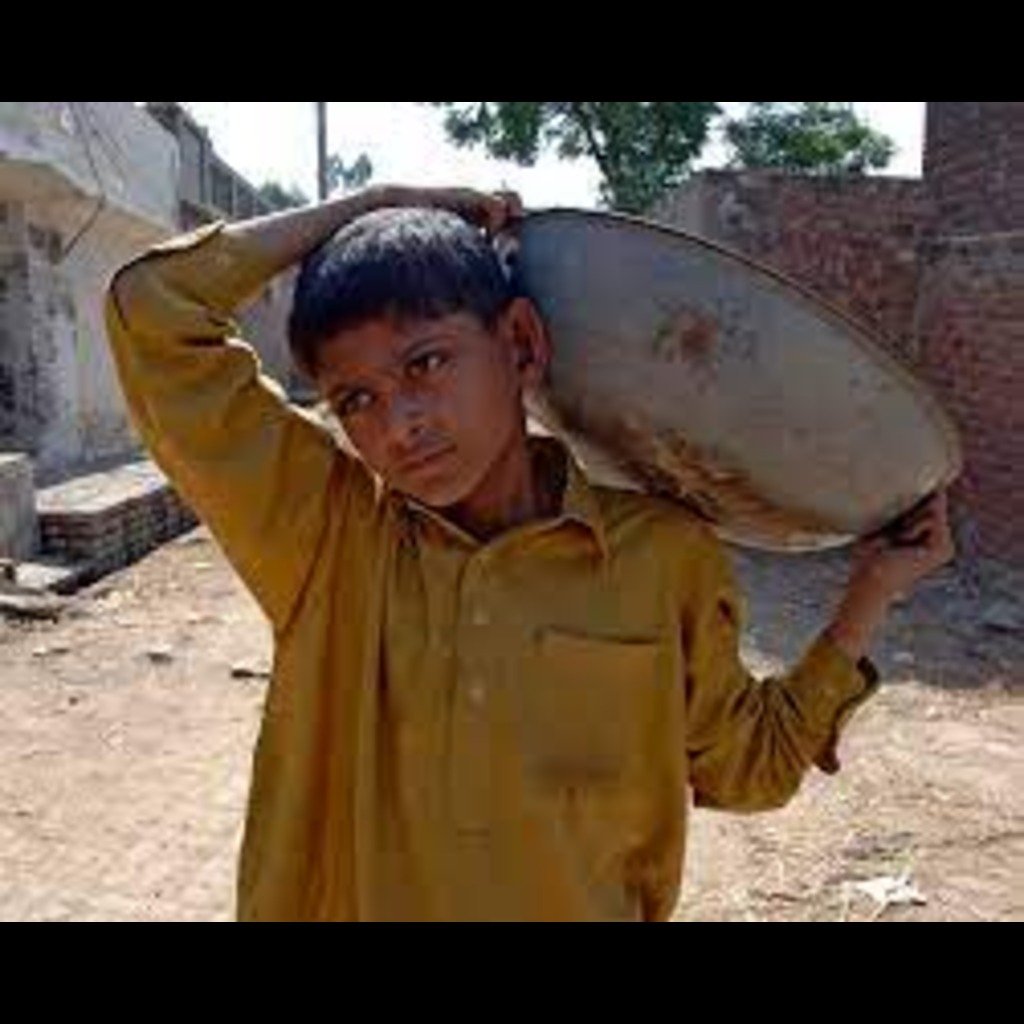
Vulnerable children must also be safeguarded from harmful environments and practices—such as abuse, child labor, early marriage, and neglect—all of which undermine their health and dignity.
Mental health, often overlooked, is a crucial part of a child’s overall well-being and must be integrated into all health strategies.
Alarming Health Statistics
Despite some progress, child mortality in Pakistan remains worryingly high. Although declining, the infant and under-five mortality rates still rank among the world’s highest.
- Infant mortality rate: ~75 deaths per 1,000 live births
- Under-five mortality rate: ~93 deaths per 1,000 live births
- Male children face a slightly higher risk of early death than females.
These numbers reflect underlying issues that continue to plague healthcare delivery systems—especially for marginalized groups.
Disease Burden Among Children
Polio, once nearly eradicated in Pakistan, has reemerged in recent years due to conflict, vaccine misinformation, and operational challenges. The poliovirus primarily targets children under five and can cause irreversible paralysis or death. While there’s no cure, routine immunization remains the most powerful shield.
Malaria is another major threat. Pakistan reports over 1.5 million cases annually and is among the highest-burden countries in the Eastern Mediterranean region. While some reduction in cases has been achieved, the disease remains endemic in many parts of the country, particularly affecting children and pregnant women.
Common childhood illnesses—like diarrhea, pneumonia, and measles—remain significant killers, particularly when compounded by malnutrition. Measles, for instance, can be fatal for malnourished children, often leading to complications such as pneumonia, brain swelling, or respiratory distress.
WASH and Maternal Health: Critical Links to Child Survival
Water, Sanitation, and Hygiene (WASH) are fundamental to child health. Contaminated water and poor sanitation practices lead to countless preventable illnesses, including cholera, typhoid, and intestinal infections. In many rural communities, lack of clean drinking water and inadequate waste management systems pose daily risks to children’s lives.
Meanwhile, maternal health is directly linked to child outcomes. Pregnant women suffering from malnutrition or chronic illnesses often give birth to underweight or stunted children. Infections, poor prenatal care, and limited access to healthcare during pregnancy increase the risk of birth complications and long-term developmental challenges in newborns.
Preventable Deaths and Immunization Gaps
Diseases that are entirely preventable through vaccination continue to claim thousands of young lives in Pakistan. Measles, pneumonia, and tetanus are still rampant, especially in underserved regions. Half of all child deaths under five are caused by diseases that vaccines could prevent.
Legal and Policy Frameworks
While Pakistan has taken steps to introduce child- and mother-friendly legislation, health is still not recognized as a constitutional fundamental right. Article 38 of the Constitution refers to health within the “Principles of Policy,” making it non-enforceable in courts.
Despite this, several national and provincial laws address maternal and child health:
- The West Pakistan Maternity Benefit Ordinance, 1958
- Punjab Maternity Benefit Ordinance, 1958
- The Protection of Breastfeeding and Child Nutrition Ordinance, 2002
- Punjab Healthcare Commission Act, 2010
- Punjab Reproductive, Maternal, Neonatal and Child Health Authority Act, 2014
- Khyber Pakhtunkhwa Maternity Benefits Act, 2013
- Khyber Pakhtunkhwa Protection of Breastfeeding and Child Nutrition Act, 2015
- Khyber Pakhtunkhwa Healthcare Commission Act, 2015
- Sindh Protection and Promotion of Breastfeeding and Child Nutrition Act, 2013
- Sindh Healthcare Commission Act, 2013
These frameworks provide a foundation, but a stronger push is needed to make health a fundamental, legally protected right for every child in Pakistan.