
Understanding Child Labor
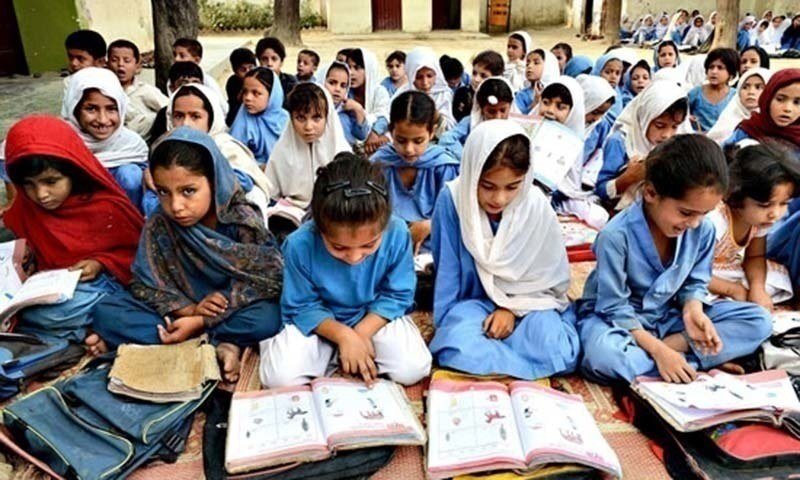
According to the International Labour Organization (ILO), child labor refers to work that robs children of their childhood, compromises their dignity, and harms their physical, mental, or moral development. It also hinders their right to education—by keeping them from school, causing early dropout, or forcing them to juggle school and labor.
It’s important to distinguish between child labor and child work. When children engage in age-appropriate tasks that do not interfere with their education, health, or personal development, it is considered child work. Such tasks can help children develop practical life skills and contribute positively to their growth.
The Landscape of Child Labor in Pakistan
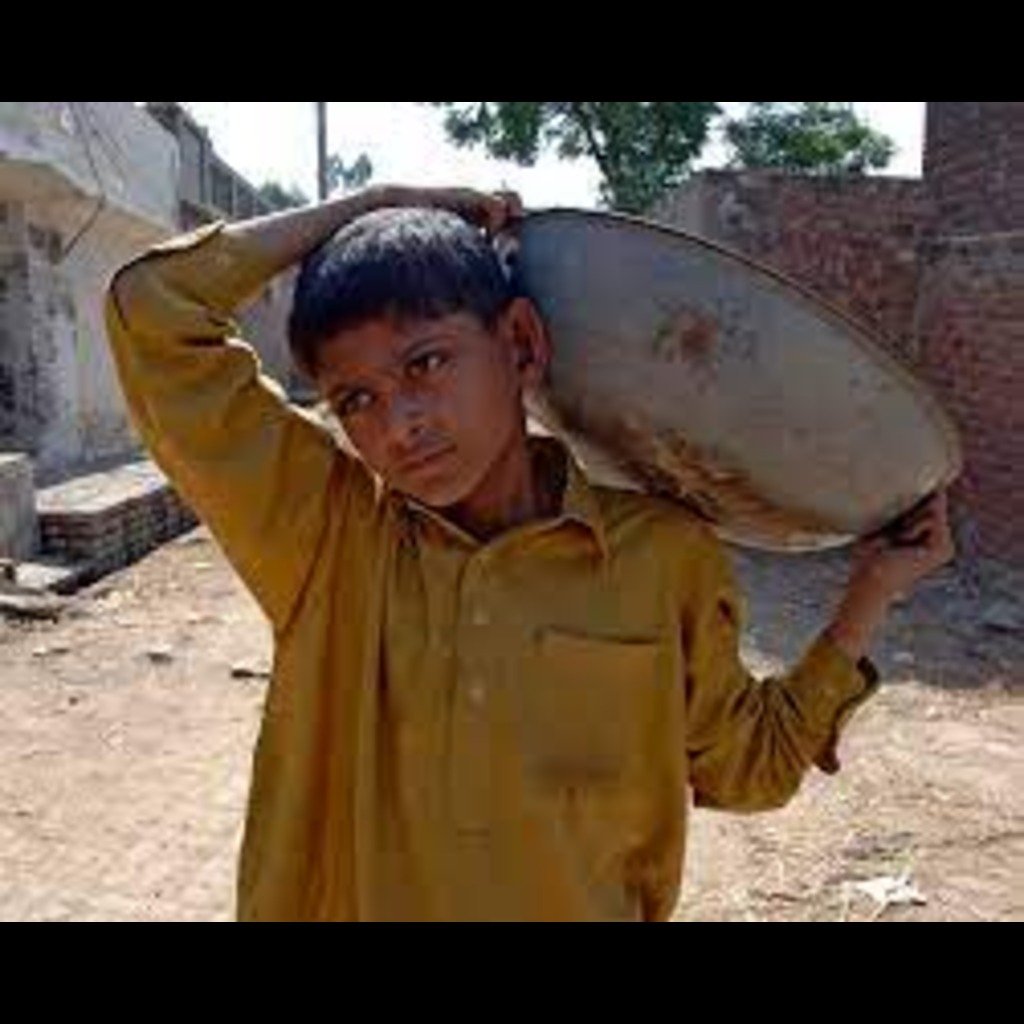
Child labor remains a widespread issue in Pakistan, cutting across industries and geographies. Many children are involved in hazardous and exploitative conditions that deny them a safe and fulfilling childhood.
1. Domestic Work
A large number of children—mostly girls—are employed as domestic helpers in urban households. Their responsibilities range from cooking and cleaning to caregiving. These children often live at their workplaces, isolated from their families and peers. Long working hours, lack of privacy, and frequent physical or emotional abuse make this one of the most vulnerable forms of child labor.
2. Agriculture
In rural areas, children frequently work in fields, helping with sowing, harvesting, and tending livestock. Crops like sugarcane, wheat, cotton, and rice require intensive manual labor. The absence of safety measures and exposure to pesticides pose serious health risks. School attendance often takes a backseat during the farming season.
3. Brick Kilns
Entire families—including children—work in brick kilns, often under bonded labor arrangements. Children are involved in making and transporting bricks under extremely harsh conditions. Exposure to smoke and dust affects their lungs, while inadequate nutrition and medical care stunt their development.
4. Shops and Restaurants
In cities, it is common to find children employed at tea stalls, workshops, and eateries. Their duties include cleaning, serving customers, and assisting with cooking. These jobs typically involve long hours, poor wages, and high risks of exploitation, all while interfering with education.
5. Carpet Weaving
Children in this sector work for hours at a stretch, weaving intricate patterns. The repetitive nature of the work and poor lighting conditions often result in musculoskeletal issues and vision problems. Exposure to wool fibers and dyes can trigger respiratory or skin conditions. These children usually work in informal settings, with little protection or oversight.
6. Street-Based Work
Jobs such as balloon selling or shoe polishing are common among urban street children. These activities offer some level of independence, but expose children to road accidents, harassment, and exploitation. They also lack access to consistent education, healthcare, and social support.
7. Begging
One of the most visible and tragic forms of child labor in Pakistan, begging is often controlled by organized criminal networks. Children are forced to beg, sometimes deliberately disfigured or starved to generate sympathy. Deprived of basic rights and education, these children are at the highest risk of abuse and neglect.
Regional and Gender Disparities
Child labor patterns differ significantly across regions. In rural areas, agriculture and brick kilns are prevalent, while urban areas see more domestic and service-based labor. Traditional crafts like carpet weaving are localized in certain regions.
Gender also influences the type of labor children are subjected to. Girls are more commonly employed in domestic settings and face higher risks of abuse and limited access to education. Boys are often found in agriculture, street vending, and industrial work.
Legal Framework
While Pakistan’s Constitution prohibits child labor in hazardous settings, enforcement remains weak. Article 11(3) bans children under 14 from hazardous labor, while Article 25-A guarantees free and compulsory education for children aged 5–16.
Key legislation includes:
- The Employment of Children Act, 1991 (applicable in Islamabad)
- Khyber Pakhtunkhwa Prohibition of Employment of Children Act, 2015
- Punjab Restriction on Employment of Children Act, 2016
- Punjab Prohibition of Child Labor at Brick Kilns Act, 2016
- Sindh Prohibition of Employment of Children Act, 2017
- Balochistan Employment of Children (Prohibition & Regulation) Act, 2021
These laws aim to eliminate hazardous child labor, yet gaps in enforcement, data, and awareness remain significant barriers to progress.
Let me know if you’d like a shorter version for a report, website, or social media.
4o
You said:
No, dont rephrase write similar content like above i have given
ChatGPT said:
Updated saved memory
Sure! Here’s original content on child labor in Pakistan, written in a style and structure similar to your provided example:
Understanding Child Labor
Child labor remains a pressing issue globally, particularly in countries like Pakistan where economic hardships, weak enforcement of labor laws, and cultural norms contribute to its prevalence. The International Labour Organization (ILO) defines child labor as work that is mentally, physically, socially, or morally dangerous and harmful to children. It interferes with their schooling, deprives them of opportunities for personal development, and exposes them to exploitation and abuse.
It’s important to distinguish between child labor and child work. While child labor violates children’s rights, child work refers to age-appropriate tasks that are safe and allow the child to attend school and enjoy their childhood. Tasks like helping parents at a family business for a few hours or earning pocket money during school holidays can be beneficial if they don’t harm the child’s well-being.
Child Labor in Pakistan: A Deepening Crisis
Pakistan continues to struggle with high rates of child labor, especially in informal sectors that remain largely unregulated. Millions of children are engaged in laborious tasks that rob them of education and a healthy future. According to various reports, an estimated 12.5 million children in Pakistan are involved in labor activities.
Informal Domestic Work
In cities and towns, domestic labor is widespread, with young girls often employed to handle chores in private households. These girls face long working hours, minimal wages, and are often exposed to abuse and neglect. Their invisibility in private homes means violations frequently go unnoticed and unreported.
Rural Agriculture and Livestock
In agricultural communities, children often assist with fieldwork, irrigation, harvesting, and livestock care. They are exposed to dangerous equipment, harsh weather, and harmful chemicals. The seasonal nature of agricultural work often disrupts schooling and contributes to a cycle of poverty and illiteracy that spans generations.
Brick Kilns and Bonded Labor
In many parts of Pakistan, brick kilns are synonymous with exploitative labor practices. Entire families, including children, are trapped in bonded labor arrangements. Children work from dawn to dusk in dusty, hazardous environments, performing physically taxing tasks. These conditions severely affect their growth, education, and health.
Hospitality and Retail Sector
Children are commonly seen working in tea stalls, bakeries, and small convenience stores across urban Pakistan. Often paid meager wages, they perform errands, clean, or serve customers. Long hours, poor working conditions, and lack of legal protections make these children particularly vulnerable.
Traditional Handicrafts
Pakistan’s rich handicraft industries—like carpet weaving, embroidery, and pottery—also rely on child labor. These children work in dimly lit workshops, often for long hours. Constant exposure to dust, toxic dyes, and repetitive handwork causes lasting physical harm and deprives them of normal childhood experiences.
Street-Based Labor
Many children earn a livelihood by polishing shoes, selling trinkets, or cleaning car windshields in bustling urban centers. This form of labor exposes them to the dangers of street life, including exploitation by criminal networks. These children often lack shelter, healthcare, and access to formal education.
Begging Rings
Begging remains one of the most exploitative forms of child labor. In many cities, children are coerced into begging by organized groups. Some are deliberately injured or manipulated to appear more pitiable. These children are often denied food, education, and dignity, becoming victims of a cruel underground economy.
Regional and Gender Dynamics
The type and prevalence of child labor differ significantly across provinces and between rural and urban settings. Rural children are more likely to work in agriculture or kilns, while urban children are employed in households, restaurants, or the streets.
Gender also plays a critical role. Girls are more frequently engaged in hidden labor like domestic work, making them less visible and more vulnerable to abuse. Boys, meanwhile, dominate physically demanding jobs in construction, agriculture, and street vending.
Legal Framework and Enforcement Challenges
The Constitution of Pakistan contains provisions aimed at eliminating child labor. Article 11(3) prohibits employment of children below the age of 14 in hazardous occupations, while Article 25-A mandates free and compulsory education for children aged 5 to 16.
Several provincial laws complement national legislation:
- Punjab Restriction on Employment of Children Act 2016
- Sindh Prohibition of Employment of Children Act 2017
- Khyber Pakhtunkhwa Prohibition of Employment of Children Act 2015
- Balochistan Employment of Children (Prohibition & Regulation) Act 2021
While these laws exist, enforcement remains weak due to corruption, lack of resources, and societal indifference.
Breaking the Cycle
Eradicating child labor in Pakistan requires a comprehensive approach:
- Expanding access to quality education
- Strengthening social protection programs for poor families
- Raising awareness about children’s rights
- Ensuring strict enforcement of child labor laws
- Rehabilitation and reintegration programs for working children
The fight against child labor is not just about legal reforms—it’s about changing mindsets, uplifting families, and investing in children so they can grow, learn, and thrive.