
“Education is the most powerful weapon which you can use to change the world,” said Nelson Mandela — a truth that holds even greater relevance today. To build a better and more just world, we must design education systems that truly serve every child. Education is not just a fundamental right; it’s the foundation for opportunity. Around the globe, societies are structured to support this right, recognizing education as a key force in driving social progress, lifting people out of poverty, improving public health, promoting gender equality, and fostering peace and stability in communities.
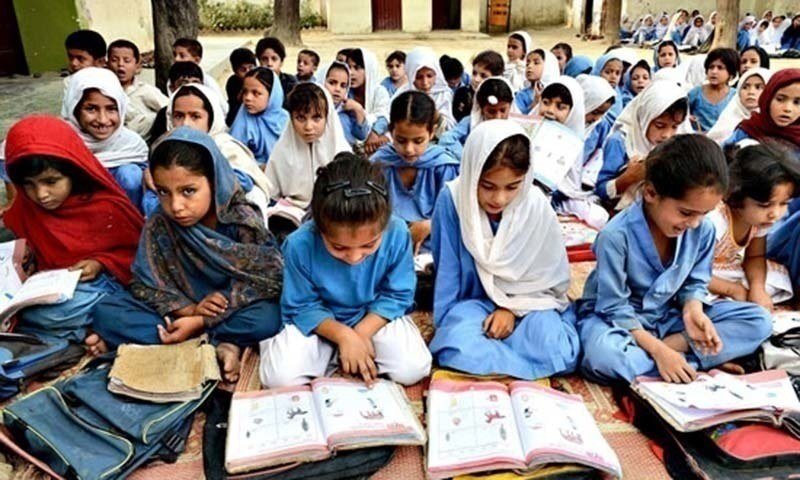
In Pakistan, the education system faces a pressing crisis: ensuring that every child, especially those from marginalized backgrounds, not only enrolls in school but also remains there and receives quality education. While there have been improvements in enrollment and retention over recent years, the pace of progress remains insufficient.
Current Challenges
Pakistan continues to struggle with widespread educational inequality, a situation made worse by the devastating impact of the COVID-19 pandemic and the floods of 2022. These events further strained an already overwhelmed system and worsened the plight of children who were already out of school.
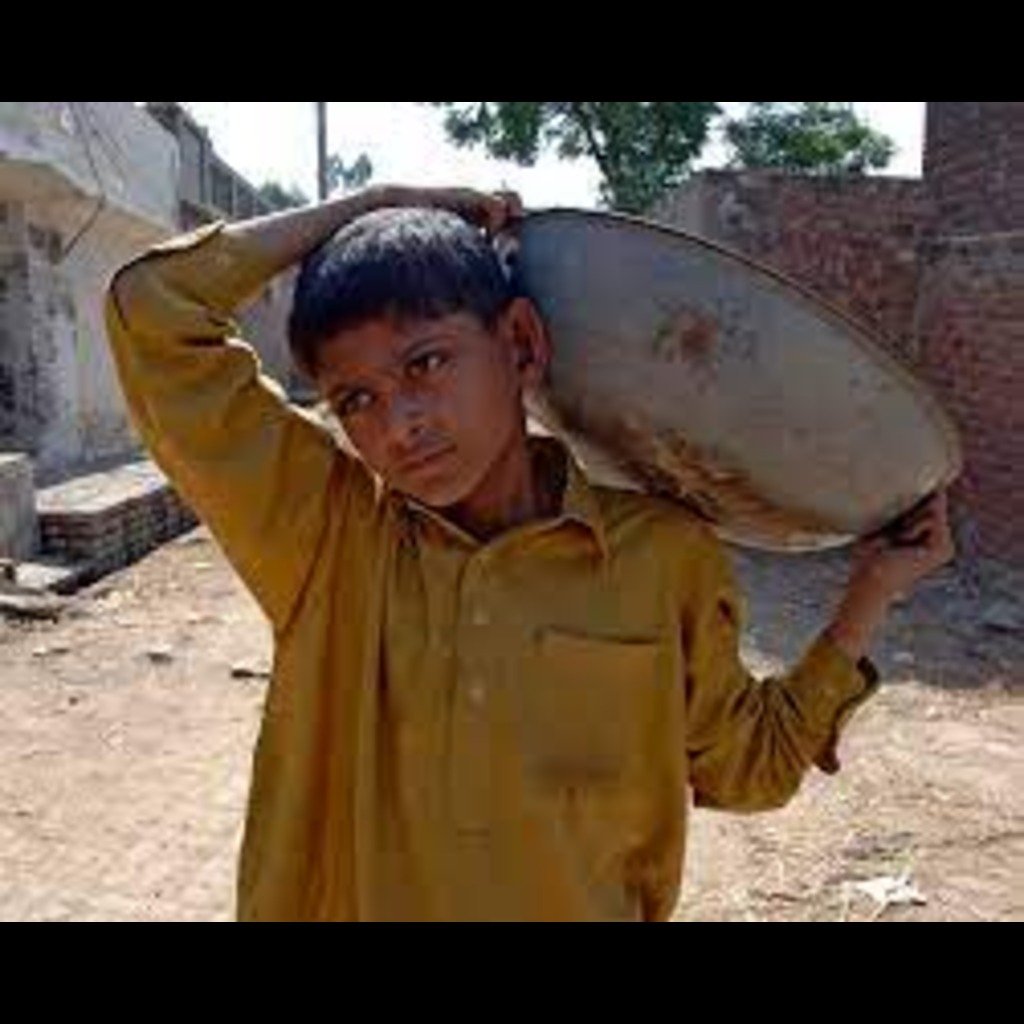
The country now has the second-largest population of out-of-school children (OOSC) globally, with around 22.8 million children between the ages of 5 and 16 not attending school.
Understanding who these out-of-school children are is essential to finding effective solutions. Some key insights include:
- A higher proportion are girls. Even before the pandemic, 37% of girls compared to 27% of boys aged 5–16 were not in school.
- They are more likely to be from rural areas. Around 35% of children in rural regions (approximately 15 million) are out of school, compared to 20% (or 4.4 million) in urban settings. This rural-urban gap has remained virtually unchanged over the past two decades.
- Many are older children. School dropout rates rise after primary school. In the 2018/19 academic year, 40% of children at the secondary level were out of school, compared to 25% at the middle level and 23% at the primary level.
- Provincial disparities are significant. While Punjab and Sindh account for about 76% of out-of-school children, Balochistan and Sindh show the highest out-of-school rates at the provincial level — a troubling statistic that reflects deep regional inequalities.